Another clue in the Puzzle – Where did the Keady’s come from in Ireland.

Baptism of John and Mary Keady 23 April, 1840, Parish of Tisaron and Galen, County Offaly, Ireland.

Background

The first Keady family arrived in Melbourne on 29 November, 1841 on the sailing ship Frances from Liverpool.

John Keady (1812-1884) and his wife Hanora (1811-1892)(nee Kenny) arrived with four children; Thomas (8 years old), Patrick (5 years old) and twins John and Mary (18 months old). The shipping record confirms that John and Mary were twins.

Their origin is identified as Kings County, Ireland, later to be renamed Offaly County.

See more detail on family arrival. Click on link below.

ttps://keadyfamily.blog/2019/06/04/arrival-of-keady-family/

First piece of the puzzle.

The only record found until recently of the family (Birth, Deaths or Marriages) was the Baptism record for Patrick Keady, the 5 year old mentioned above. With the help of the East Galway Historical Society, Patrick’s baptism was tracked down to 8 April, 1837 at Laurencetown, County Galway.

New piece of the puzzle

A recent search through the Family Search web service, a free web service provided by “The Church of Jesus Christ of Latter-day Saints”, hit gold. A record was found for the baptism of Joannem Keedy or Kiedy, with his parents being Joannis Keedy or Kiedy, father; and mother, Honorae Kenny. Screen shot below. (Website: family search.com)
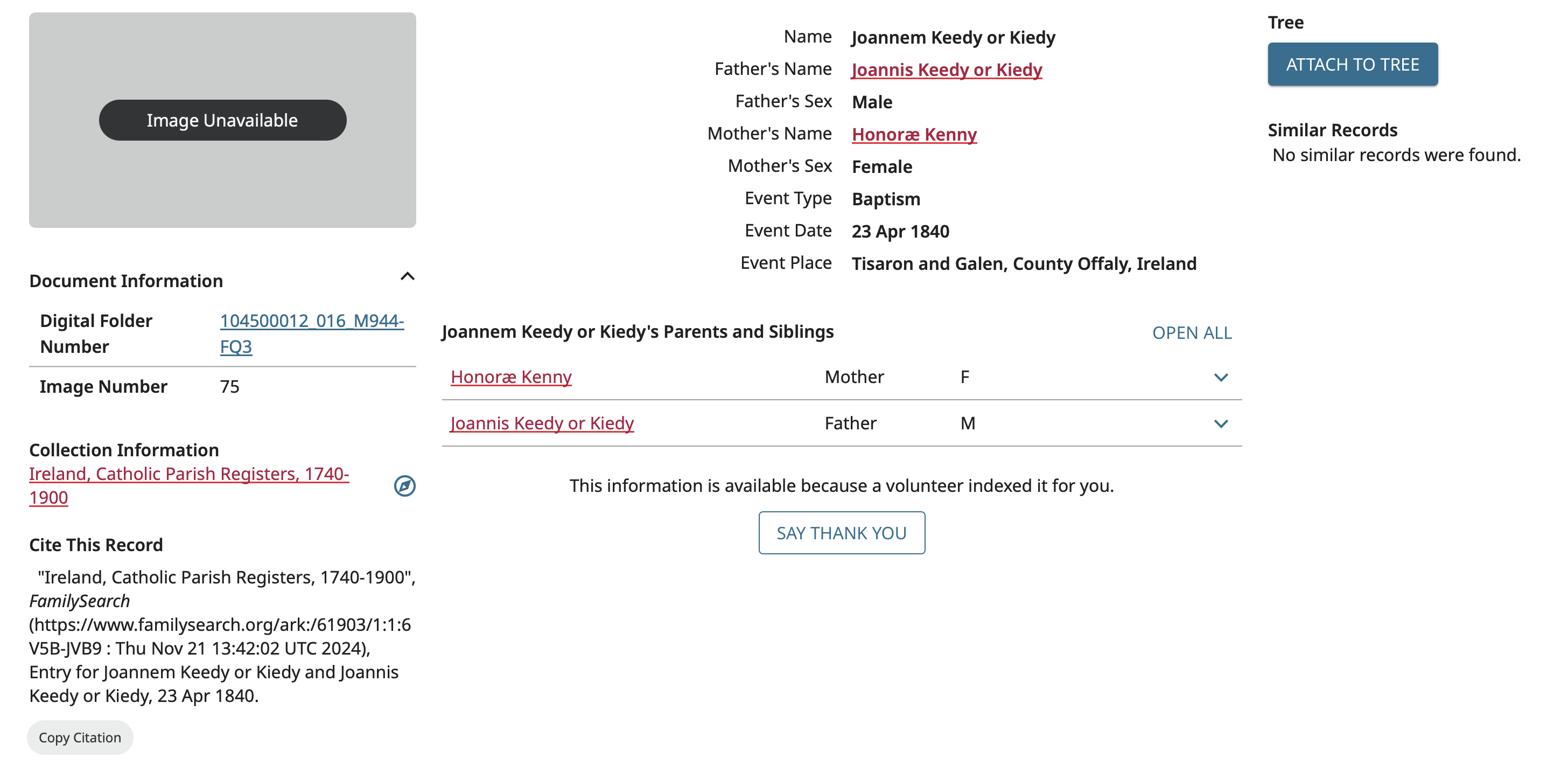
For all those who have forgotten their high school latin, this Baptism record can be translated as John Keady(name of baby being baptised), father – John Keady and mother – Honora Kenny.

Unfortunately, the image of the original scanned page from the Parish Register cannot be viewed on “FamilySearch”. However, images of the scanned document can be viewed at the National Library of Ireland (NLI) website. Knowing the Parish name (Tisaron and Galen) and date, the original page can be viewed. The relevant entry from the Register is shown below.
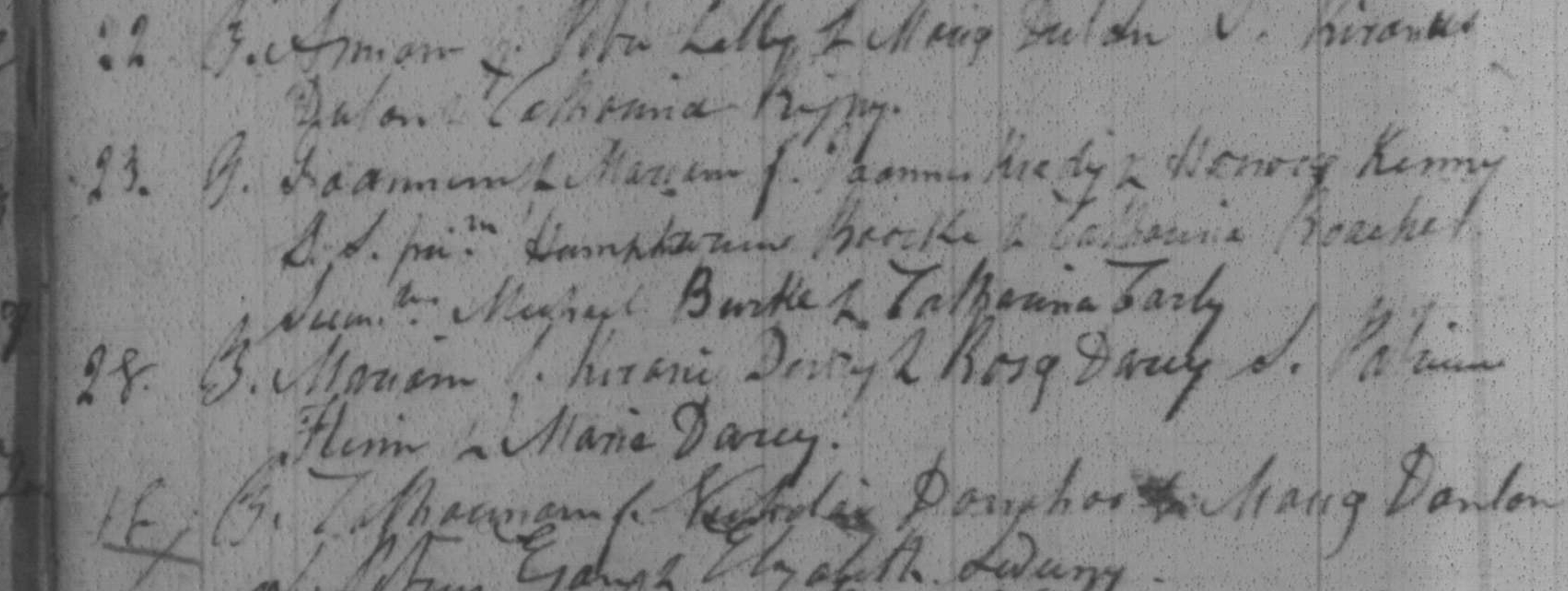
Reading across from the numeral, “23” two names can be seen, Joannus and Mariam. In other words, John and Mary, confirming that this is indeed the record of the Baptism for the twins of John Keady and Honora Kenny.

While this record only shows the Parish name, and not a particular Church or Town, the Parish location is very close to Laurencetown where Patrick was baptised.

These Baptism records suggest that the Keady family were living in the vicinity of Ballinasloe, County Galway. This general vicinity is where the three Counties of Galway, Roscommon and Offaly(Kings) converge.

Further support for this location is demonstrated in John Keady’s naming of his properties in Australia as “Somerset”. This is the name of an Irish homeland just a couple of miles from Laurencetown.

Sad Endnote

Sadly, John’s twin sister Mary died in February 1842 only a few months after arriving in Melbourne. Mary was buried in the Old Melbourne Cemetery, which became the Queen Victoria Market carpark. There are no records available for the period when Mary was buried.
A Day at the Races with John Keady

John Keady (1812-1884) helps with the first “Campbellfield and Pentridge Steeplechase”.

John Keady had purchased a large parcel of land on Sydney Road in 1853, just 6 miles from Melbourne. It’s hard to imagine, but this was all farmland at the time. The parcel of land was 559 acres or 226 hectares.

Adjacent to his property on Sydney Road was the Wheatsheaf Inn which would have been a watering hole for those heading out of Melbourne to the Goldfields.

John’s land known as Somerset Estate had a frontage of nearly 1 mile on Sydney Road and a frontage along the Merri Creek of about 4 miles. (According to newspaper advertisements from 1854 when he tried to sell the property, shortly after purchasing it). It is understood that the Sydney Road frontage was opposite the current Fawkner Cemetery.

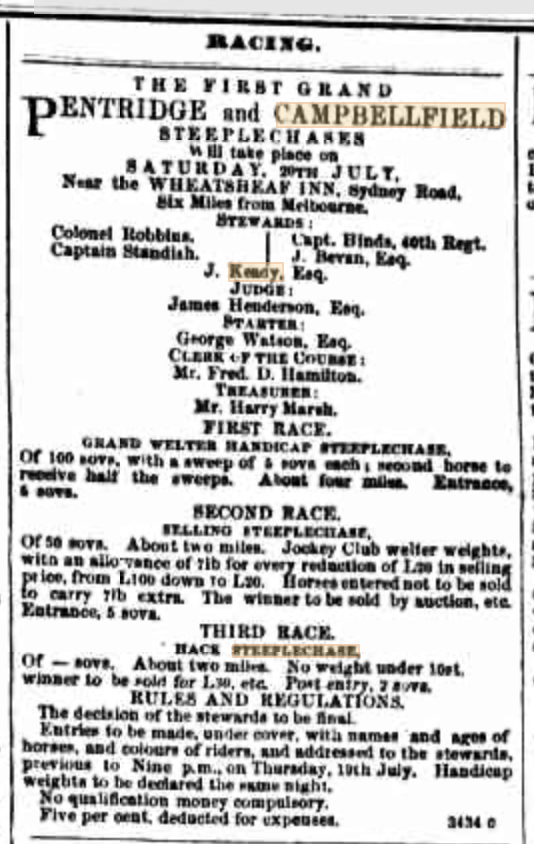
By advertisement in the major papers in July 1861 it is announced that, “The First Grand, Pentridge and Campbellfield Steeplechases will take place on Saturday, 20th July, 1861”.

Source: Trove

Of note is that J Keady, Esq. was one of the five Stewards for the day. Probably more interesting is that the 2 mile course which started near the Wheatsheaf Inn went across John Keady’s land.

There are some quite detailed accounts of each race provided in “The Argus” which can be found via Trove which is part of the National Library.

For those interested, “Happy Jack” won the first in a canter. “Fivey” took out the second after “Royal Charlie”, who was blind in one eye hit the last hedge and came in second. In the final race “Fivey” fronted up again and led all the way. Apparently it was a most successful day with no serious accidents.

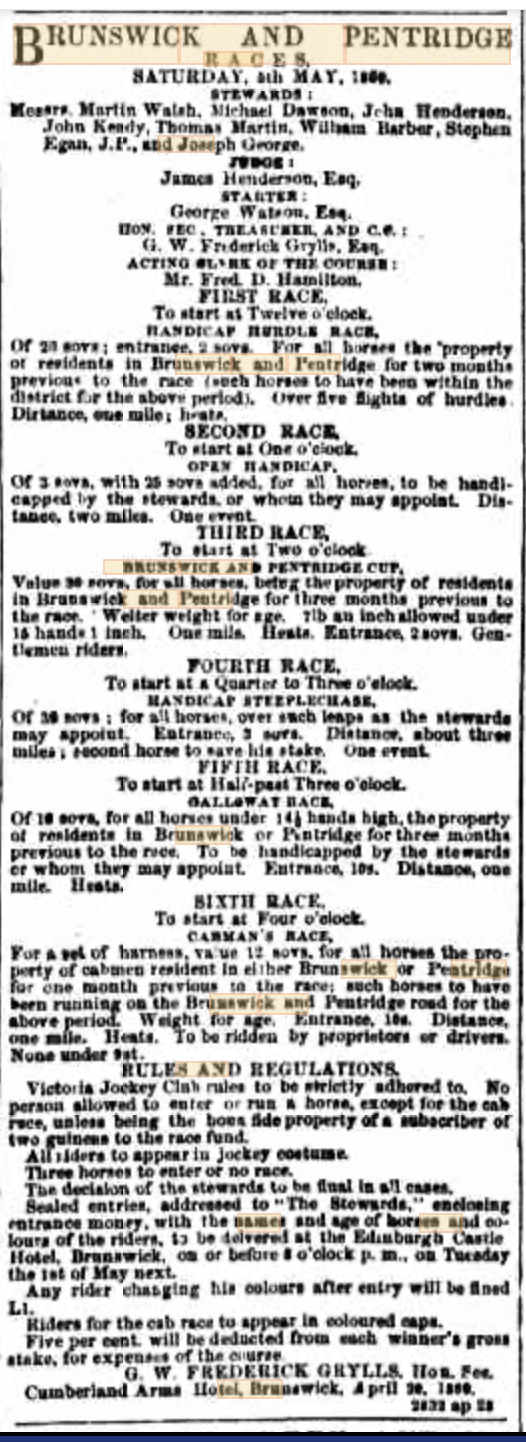
John had already had some experience with horse racing as he had been a Steward for the Brunswick and Pentridge Races conducted on Saturday, 5th May, 1860. This event had a real local focus. Six races were conducted and in three of the races the horses needed to be owned by property holders in Brunswick and Pentridge.

Source: Trove

The most interesting race was no doubt the last. The “Cabmen’s Race” which was open only to horses used by local cabmen operating in the area. The horse had to be ridden by the cabman, who could not be under 9 stone. First prize was a full set of harness.

Comprehensive race descriptions were provided in local newspapers but are not in the best quality to reproduce. However, it’s worth noting that Mr Horsington’s “Smuggler” won the cabmen’s race over 1 mile. (Credential’s for Smuggler sound a little dubious.!)

While John Keady certainly played a role as a steward in these early race meets organised by the local community, conducted on informal tracks laid out on their farmland, he does not appear to have been a active participant. No record can be found of his name amongst the entrants nor results published for these events.

Martin Charles Nicholas KEADY (1880-1952)

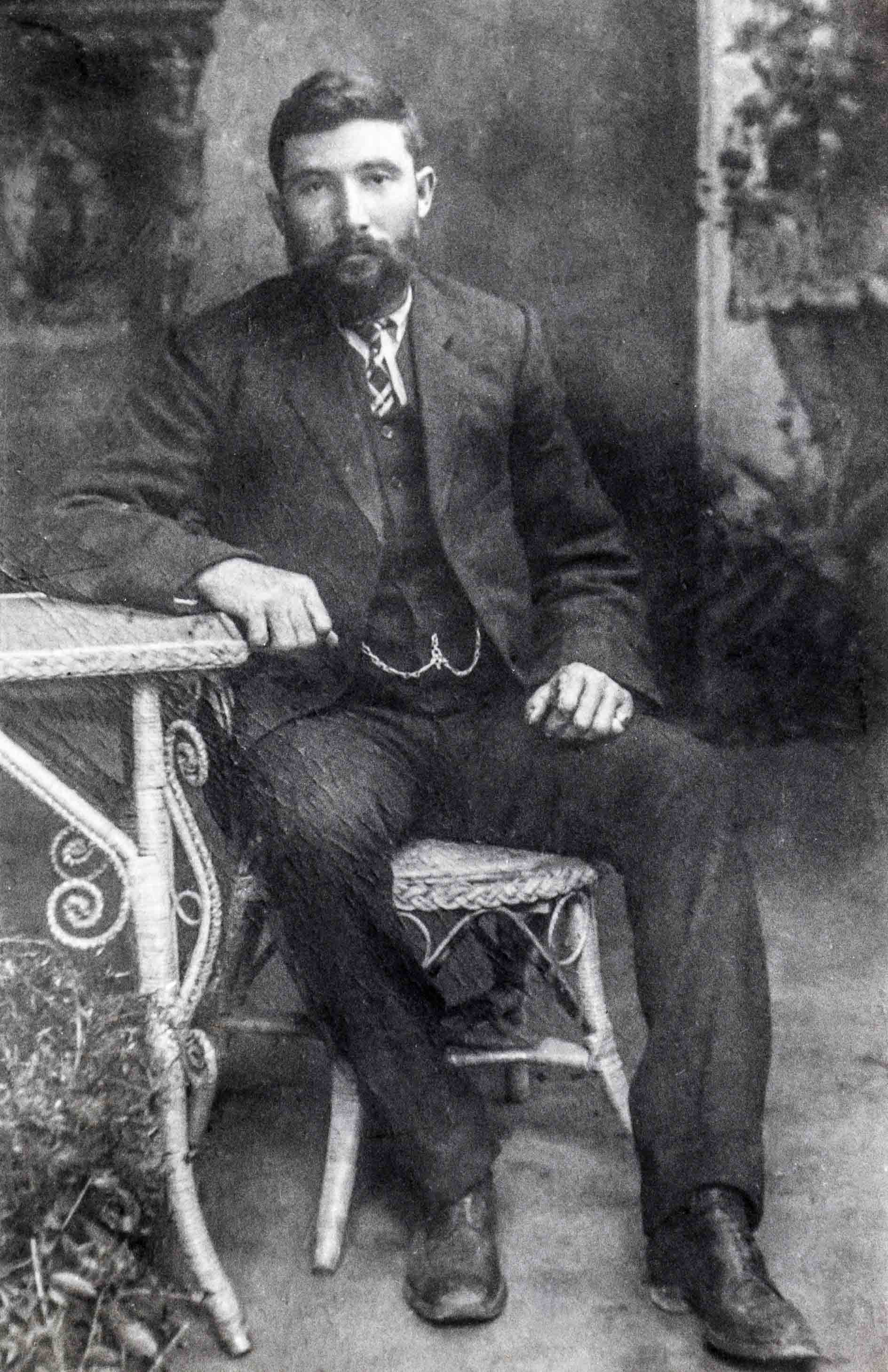
Martin was the eighth child of John Francis Keady and Margaret O’Leary, the younger brother of our Grandfather, Thomas Patrick Keady.

Our grandfather, Thomas Patrick Keady was 6 years old, when his younger brother Martin was born in 1880 at Kialla East, near Sheparton on 16 August, 1880. Martin had 6 siblings at the time, as John and Margaret had lost 2 children in infancy, John Henry in 1874 and Michael in 1878.

The only girl in the family, Mary Ann Keady was born a year latter in 1861 at Sheperds Flat, which is just north of Daylesford, Victoria.

Sometime in the 1880s John Francis and his family moved East to Koetong along with the families of his brothers, Patrick and James Henry.

Martin’s childhood and early life would have been on the fairly isolated farming community of Koetong. He is listed as a grazier in the electoral rolls of the early 1900s, through his 20s and early 30s.

On 9 March 1916 at the age of 35, Martin was admitted to the Royal Park Receiving House and Hospital for the Insane in Melbourne. Martin spent some 7 years as an inmate until he was transferred to the Beechworth Hospital for the Insane on 8 April 1923.

Martin’s condition was described as follows in a Doctor’s report prepared for an Inquest into his death in 1952.

“He was regarded as a case of schizophrenia with marked deterioration and his mental condition showed little change over the years”.

Sadly, Martin spent 29 years in Beechworth Asylum until his death, aged 71 in 1952.

At the time of his death he only had one surviving sibling, his older brother Daniel Keady who was living at Bullioh, near Koetong.

Martin died on 28 February, 1952 after spending a few weeks in the hospital ward of the Asylum.

It is highly likely that he had minimal or no contact with family members after he was admitted to the Asylum. Hospital administration records at the time of his death describe him as “Invalid, 70 years” and note that he had “No relatives” and there were “no friends” to defray the cost of a funeral.

No records can be found regarding his burial, but in the circumstances it is most likely that he was buried in a paupers grave at Beechworth Cemetery.

Clearly, Martin must have been a pretty tough character to survive some 36 years locked up in the Mental Hospitals in the first half of the 20th Century.

First in the Family, Jack Keady

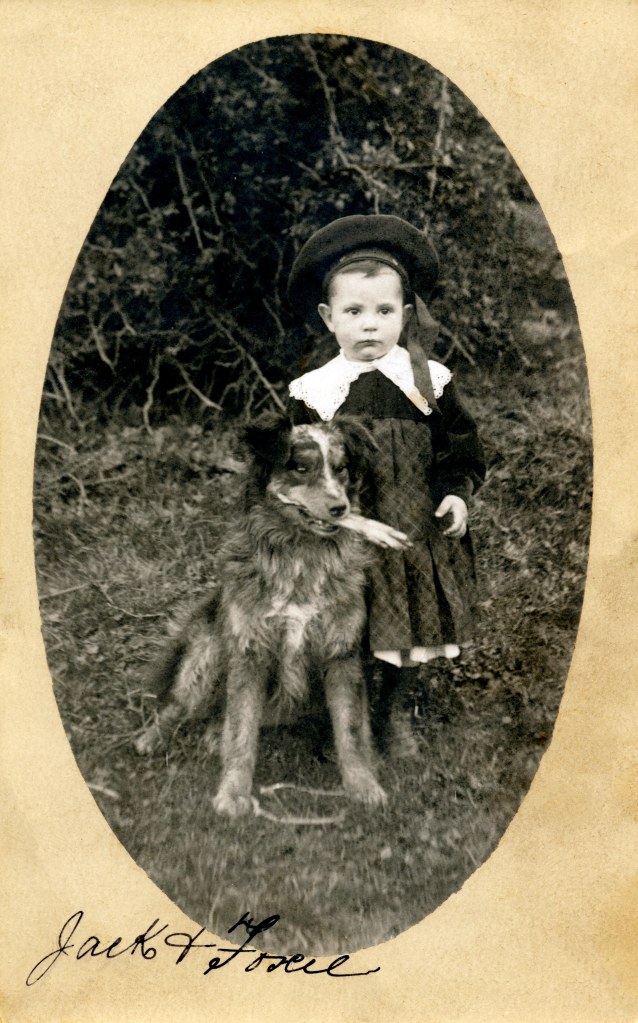
John Dennis “Jack” Keady with Foxie, c 1910

John Dennis “Jack” Keady with Foxie about 1910, probably taken at Powlett River (Wonthaggi) because Jack looks to be about 2-3 years old. Jack was the first child of Thomas and Lillian Keady, born in Albury on 30 December, 1907.


This photo is on a postcard, undated, from Lillian Keady (nee Crawford) to her mother-in-law Margaret Keady (nee O’Leary) who was living at Koetong, near Corryong .

The original postcard was in the personal collection of Molly Keady.

Interesting to note that Lillian refers to herself as “Lilly” when signing off the postcard, and refers to her husband, Thomas Patrick Keady as “Tommy”.

Catherine Angela Keady (1846-1925)

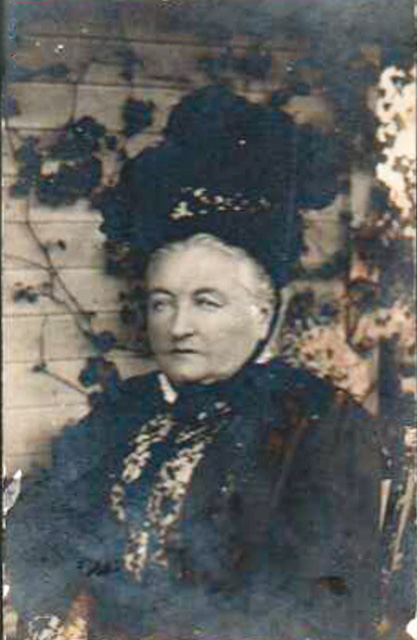
Old photos are rather rare, so this was a lucky find. Through a DNA connection a distant 3rd cousin was kind enough to share this great photo of Catherine Angela Keady (1846 -1925).

Catherine also known as “Kate” or “Agnes” was a younger sister of our great grandfather, John Francis Keady (1840-1902) and his older brother, Patrick Keady (1837-1923).

Catherine was one of the first generation of Keadys born in Australia.

Catherine Angel Keady (1846-1925

Catherine was born on 25th September, 1846, with the birthplace given as “Yarra, Victoria”. Formal Government registration of births did not commence until some years latter. The record below is a Catholic Church record of baptisms performed in the Port Phillip colony at the time of Catherine’s birth.

Baptism Record – Catherine Angela Keady

At the time of Catherine’s birth, the English colonial administrators must have still been having trouble with the Keady’s Irish accent. The Baptism records show Catherine’s name as “Cath Cady, and her father’s name as John Cady. This spelling is the same as that used in the shipping records when John, Honora and their first four children arrived in the Colony in November, 1841.

The meaning of “Yarra” is not all that clear, but her father John Keady was recorded as living at “Half Tree”, Merri Creek in 1847. It is probably a fair assumption that Catherine spent her childhood living on the Keady family farm at Merri Creek. The next record of the family location was in 1856, when John Keady was recorded as living at Pentridge.

The township of Pentridge referred to the location of the first stockade built in Melbourne and was to be developed over the following decades into the infamous, Pentridge Prison. Today, the area is known as Coburg and the old township roughly stretches from Sydney Road to the Merri Creek. (The exact location of the “Half Tree” on Merri Creek, remains a mystery.)

Catherine was the 8th child of John and Honora Keady.

Kate went on to marry Daniel Kenny (1843-1902) on the 13th August 1874 at St Patrick’s Cathedral Melbourne. Daniel’s residence is given as Dargalong, near Nagambie, and Kate’s father’s address is given as “Somerset House”, Carlton. (The exact location of “Somerset House” in Carlton is unknown.). It is worth noting that John Keady also named his house at Nagambie in latter years as “Somerset”. A copy of the original wedding notice is shown below, when Daniel and Elizabeth were celebrating their silver wedding anniversary in 1899.

Silver Wedding Anniversary 1899

Daniel and Elizabeth went on to have 7 children, all of whom were born around the same district, including Nagambie, Murchison and Katamatite.

In latter years they moved to the farming district west of Wagga Wagga in NSW. Their residence is recorded as Ganmain and Coolamon.

The following article from 1895 gives a little insight into life on the land for the family and their strong commitment to the Catholic faith.

Extract from Freeman’s Journal, Trove, 1895

Catherine’s husband Daniel Kenny died at Narrandera in 1902.

Catherine died at Ganmain on 22 November 1925.

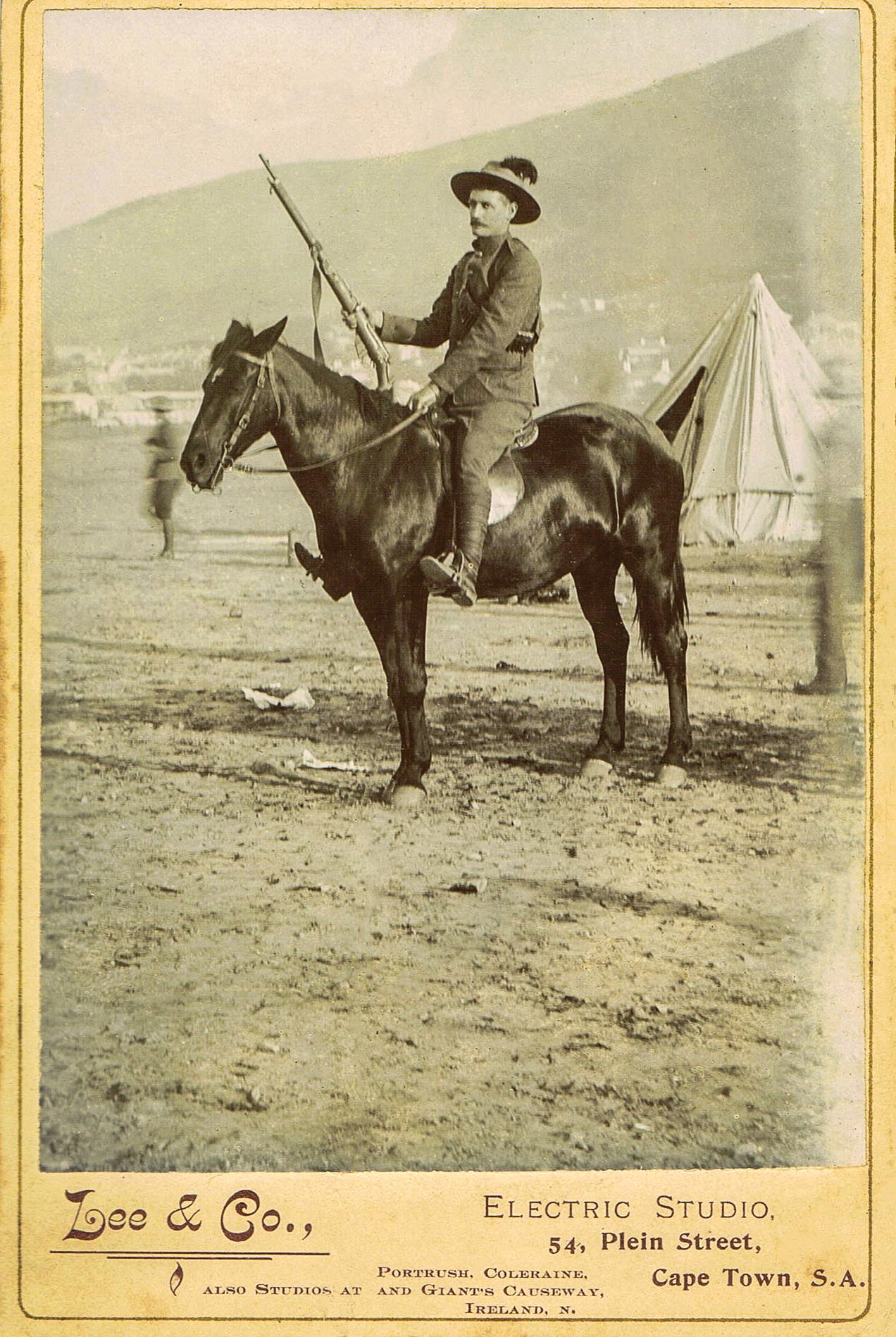
Trooper Keady serving in Boer War, South Africa

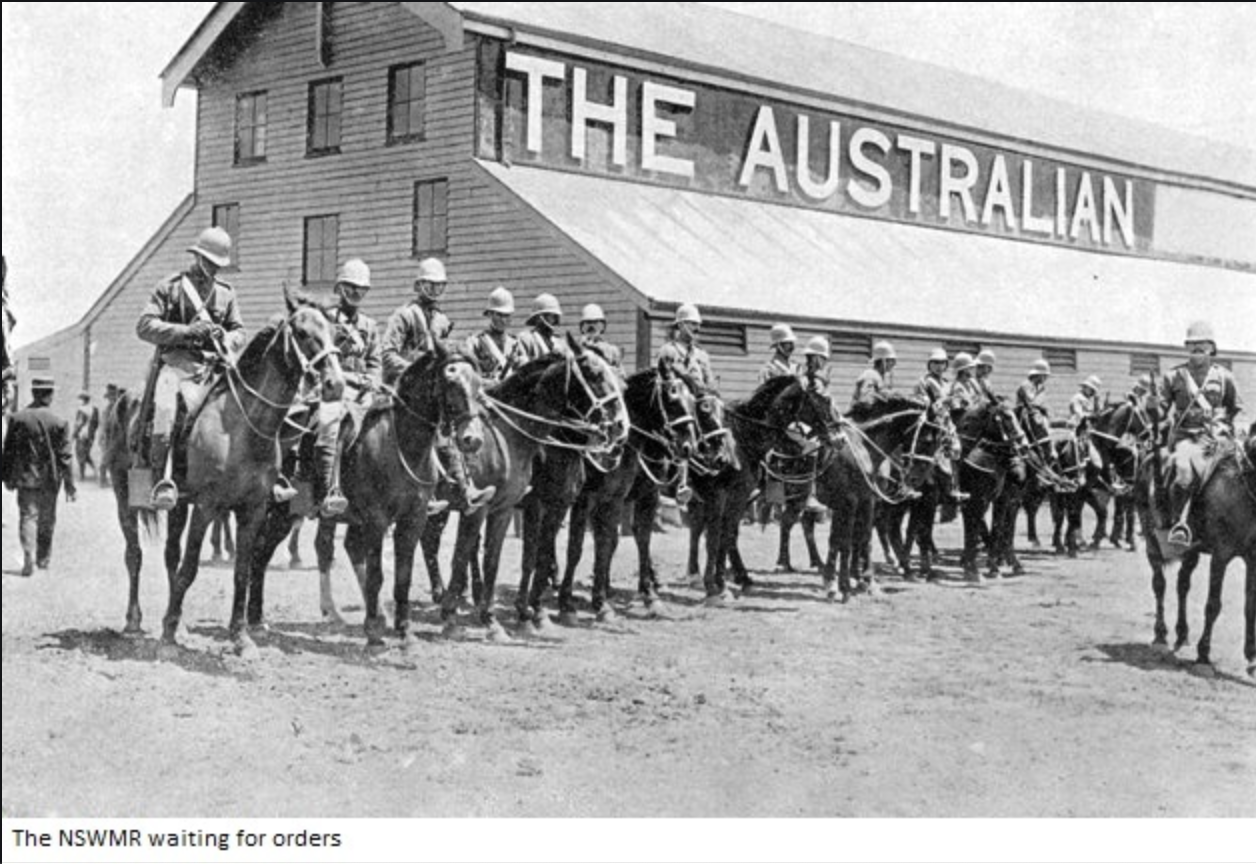
One of the Keady brothers in Boer War, South Africa, 1900-1902.

Two of the Keady Family joined the 3rd NSW Mounted Rifles and served in South Africa from May 1900 to May 1902. See earlier blog for a little more history. Click here.

The two adventurers were Michael Thomas Keady (1869-1940) and Patrick John Keady (1876-1951), sons of Patrick Keady (1837-1923).

Michael and Patrick were cousins of our grandfather, Thomas Patrick Keady (1874-1946). They would no doubt have shared many experiences as they grew up in Koetong through their teenage years and early 20s. The Koetong community about this time was quite small. On the 1903 electoral roll there were only 61 adults enrolled to vote, of whom 13 were from the Keady families.

The above photo has been discovered by Brian amongst the documents and photos collected by our grandmother, Lillian Keady (nee Crawford).

As is so often the case, there is no writing of any kind to help identify the person in the photo, however I think it is a fair bet to say it is either Patrick or Michael. You can see that the soldier on the horse is not an officer otherwise he’d be decked out in all his regalia. The photo is clearly a posed shot taken in the open by a professional photographer however this wasn’t enough to stop the blurred intruder who walks into the scene on the right hand side as the photo is being taken.

Unfortunately the only photos of Patrick and Michael are taken much latter in life when they are living in New Zealand and it is impossible to make any kind of comparison with the trooper in this photo.

In the absence of any other information coming to light I am quite happy to claim this trooper as one of the Keady family. Anyone seen any photos of similar vintage which might shed light on his identity ?

Family connection to Border Checkpoint

You might have noticed the roadblocks recently set up to limit travel between Victoria and New South Wales at Albury.  The key checkpoint is located on Wodonga Place, just after the road crosses the Murray from Victoria.  This is not the first time this location has been a critical checkpoint for travellers between New South Wales and Victoria.

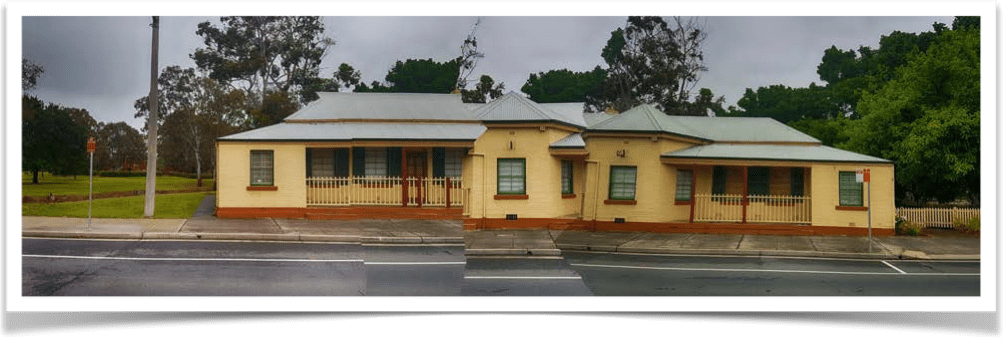
The checkpoint is right in front of the Albury Regional Museum which has close family links to the Keady family.

Albury Regional Museum, Wodonga Place, ALBURY

(Sourced: “Turk’s Head at the Union Bridge: From Licenced Hotel to Regional Museum) Dirk HR Spennemann.  Institute for Land, Water and Society, Charles Sturt University) 

Originally the Museum building was developed as a Hotel in the 1850s, went through many developments and incarnations until it finally closed as a Hotel in the 1920s.  One of its many names was the Turks Head Hotel.

Our grandfather’s Uncle and Aunt, James Oddie and his wife Elizabeth (nee O’Leary) were the licensees of this hotel from December 1885 – June 1891. 

Refresher on the Keady connections

Mathew John “Barney” O’Leary and his wife Johanna (nee Lombard) arrived at Port Phillip aboard the “Enmore” from Cork, Ireland on 4 October, 1841 about a month before John and Honora Keady arrived.  They brought their daughters Johanna who was 5 years old  and Betty who was only 8 months old.

By 1845 the O’Learys were living at Merri Creek, the same location that John and Honora Keady had established their family home.  We know the O’Learys lived at Merri Creek because they received some notoriety because of an incident near the corner of Little Bourke Street and Swanston Street in April 1845 when taking their triplets to be baptised.  Barney hit a tree stump which tossed the three babies and their nurses on the side of the road. (Very hard to imagine a tree stump in Little Bourke Street>)

One of the O’Leary girls, Margaret O’Leary married John Francis Keady (our Great Grandfather) on the 1 November, 1869 at St Patrick’s, Kilmore.

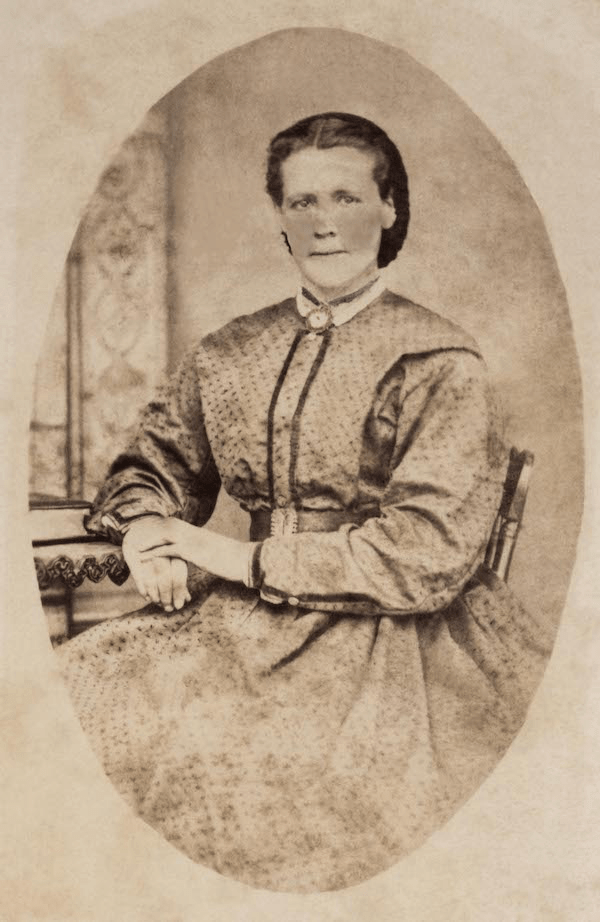
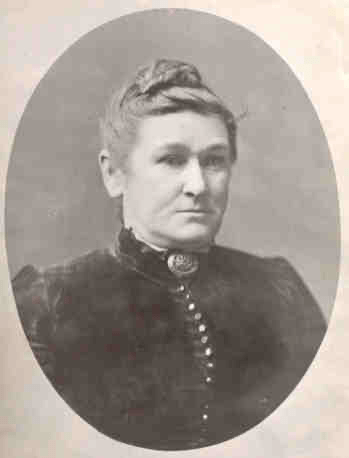
Margaret O’Leary

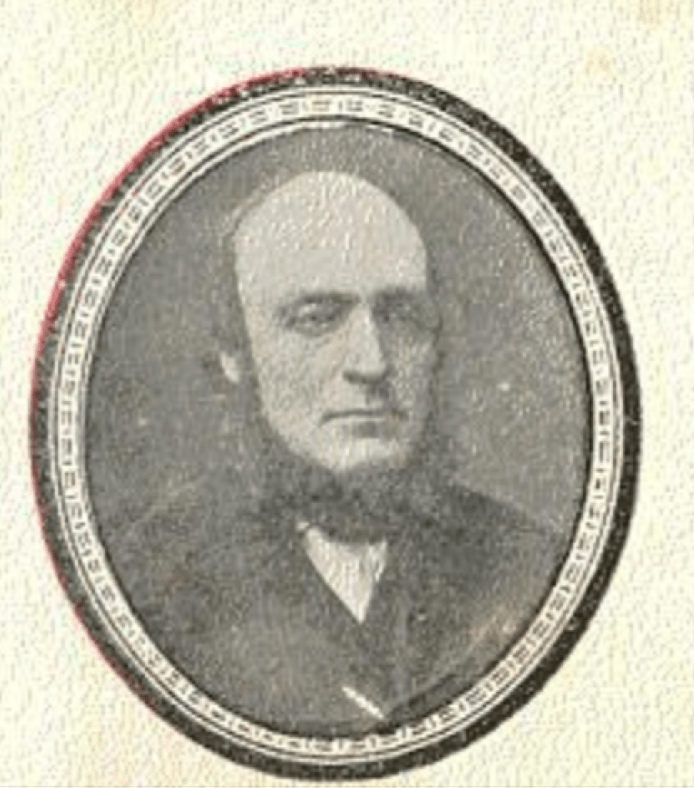
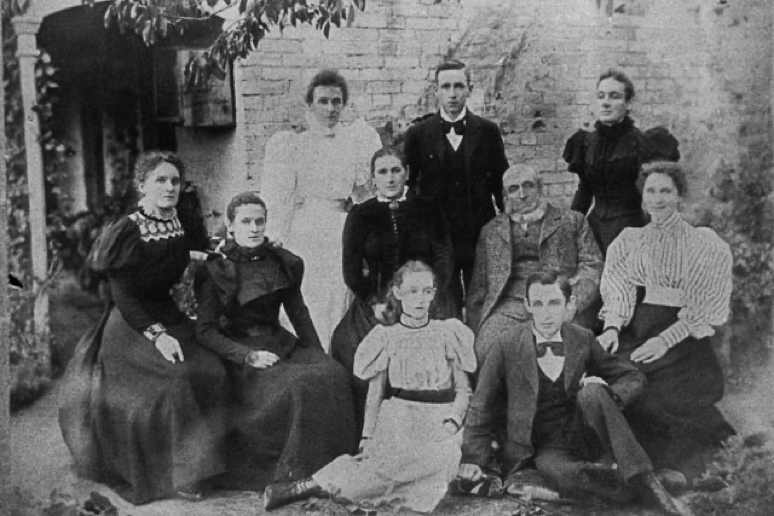
Margaret’s sister, Elizabeth Mary O’Leary married James Oddie, an Englishman from Lancashire in 1868 at Beechworth.  James and Elizabeth went on to have eight children.

Elizabeth Mary O’Leary

James Oddie

 It would seem that the Oddie family moved from Beechworth to Albury in the mid 1880s.  James was the licensee of the “Turks Head” Hotel from December 1885 to June 1891.  At the time this was the main crossing point of the Murray River on the road from Melbourne to Sydney.  The main clients were passing travellers who had to stop to pay a Bridge Toll when crossing the adjacent Union Bridge if heading south to Victoria, and those who had crossed the Bridge heading north had to stop for Customs Inspections.

The Oddie Family

You’d think there would have been quite a reasonable amount of interaction between the Keady family living at the fairly remote Koetong township in Victoria, upstream on the Murray, and the Oddie family at Albury.   

The Oddie family maintained a strong connection with Albury with some of the girls living out their lives in the town.  

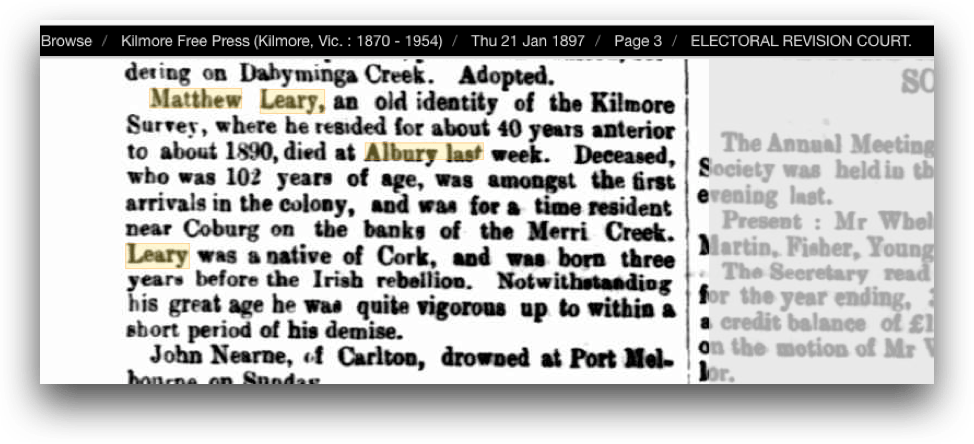
In addition, Margaret and Elizabeth’s father, Mathew “Barney” O’Leary finished his days in Albury, passing to the other side in 1897 at the ripe old age of 102.

Source: Trove

So if you see the roadblock on the Evening News, or you are travelling past going north or south once the restrictions ease, you will be able to look at the Museum and take pride that a distant relative used to pour beers there for weary travellers !

Ownership of Family Bible Confirmed

Excellent Photos come to Light confirming owner of Keady Family Bible.

The following two photos confirm the identity of the couple, who’s photos appear in the Keady Family Bible.

While the only known Keady Family Bible almost certainly belonged to John Francis Keady (1840-1902), the two small photos(with many mould marks) tucked away in the back cover have no names or markings to help identify them.

It has been assumed that they were John Francis Keady and his wife Margaret O’Leary (1835-1923).

Two photos have recently come to light through relatives of the Crawford Family which confirm the identify of the photos in the Bible.

What’s the connection you say ….

The 4th son of John and Margaret Keady, Thomas Patrick Keady (1874-1946) married Lilian Catherine Crawford.

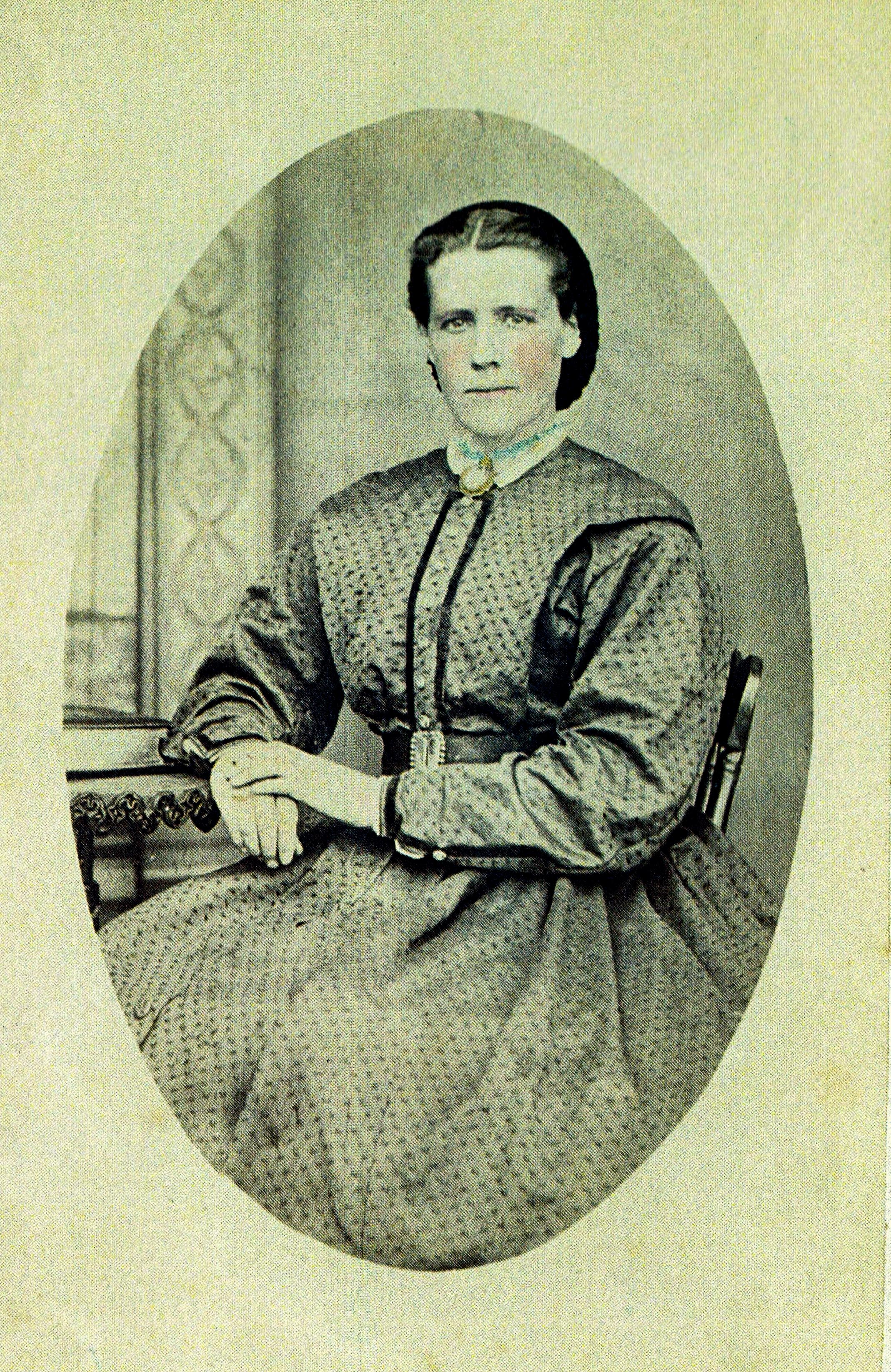
MARGARET OLEArY

The detail in the photos is certainly much better than the mould stained photos which are in the Bible.

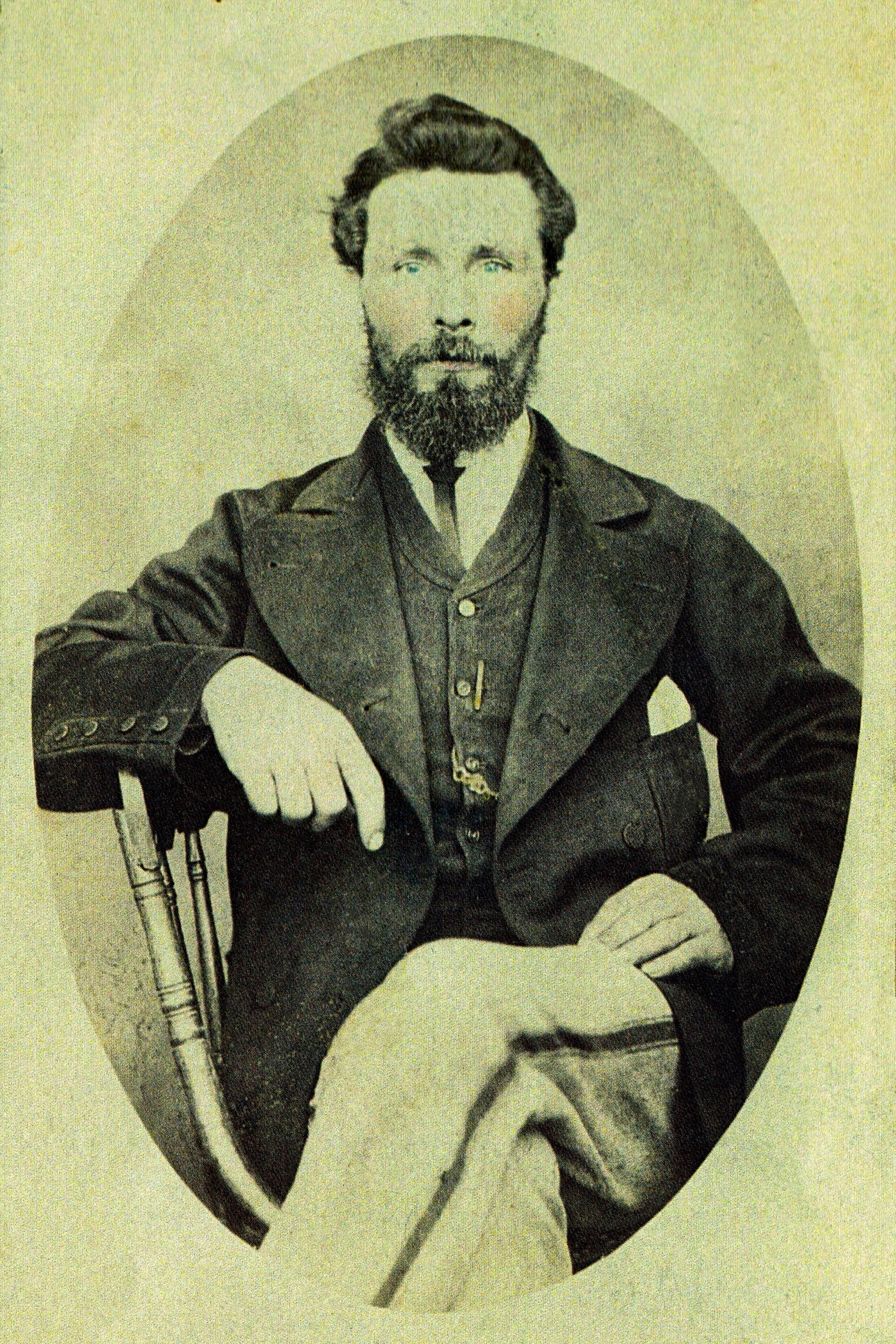
John Francis Keady

If you look carefully at the photos you will notice the slightest sign of colour for various features in both Margaret and John’s Photos. This is typical of photos of the time, with the photographer enhancing the black and white using colour paints.

Margaret has a tinge of red on her cheeks, a turquoise necklace and the gold on her broach and wedding ring have been painted. Likewise the cheeks on John have been given a bit of colour, his eyes painted blue and the gold chain and broach on his vest have been enhanced with some colour. (Not sure what the little vertical broach thing is, perhaps its just the end of his watch chain.)

Keady brothers join the 3rd NSW Mounted Rifles

There didn’t seem to be any involvement of the Keady family with the armed forces until the 1890s. With lingering troubles between the British establishment and the Irish settlers perhaps this is not surprising.

The Keady family were strong supporters of the Irish Republican movement, with their names appearing quite often in the published list of contributors to various organisations supporting Irish independence back “home”.

Two sons of Patrick Keady (1837-1923) , Michael Thomas Keady (1869-1940) and Patrick John KEADY (1876-1951) joined the 3rd New South Wales Mounted Rifles and served in the Boer War in the period May 1900 to May 1902.

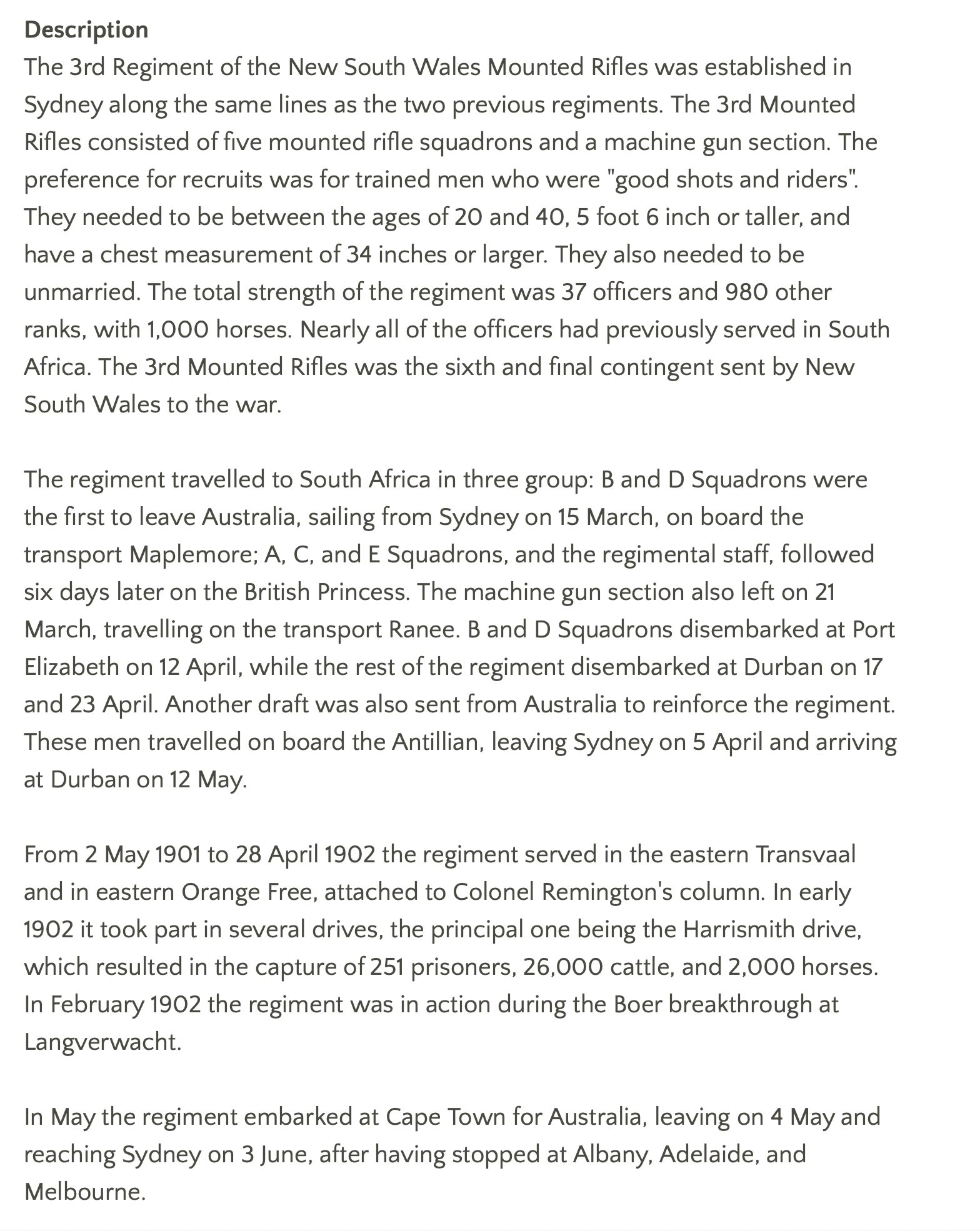
The brief history below for the 3rd NSW Mounted Rifles, sourced from The Australian War Memorial provides some background to the formation of the Corp and their role in the Boer War.

Michael and Patrick were living in pretty remote circumstances at Koetong about the time they enlisted and would no doubt have met the criteria of being “good shots and riders”.

Source: The Australian Boer War Memorial

The brothers seemed to have survived their expedition but when they returned to Australia they would have found economic conditions very harsh, so according to one of their descendants both headed off to New Zealand looking for a brighter future. They both eventually married and lived out their lives in New Zealand.

Micheal Keady – future life

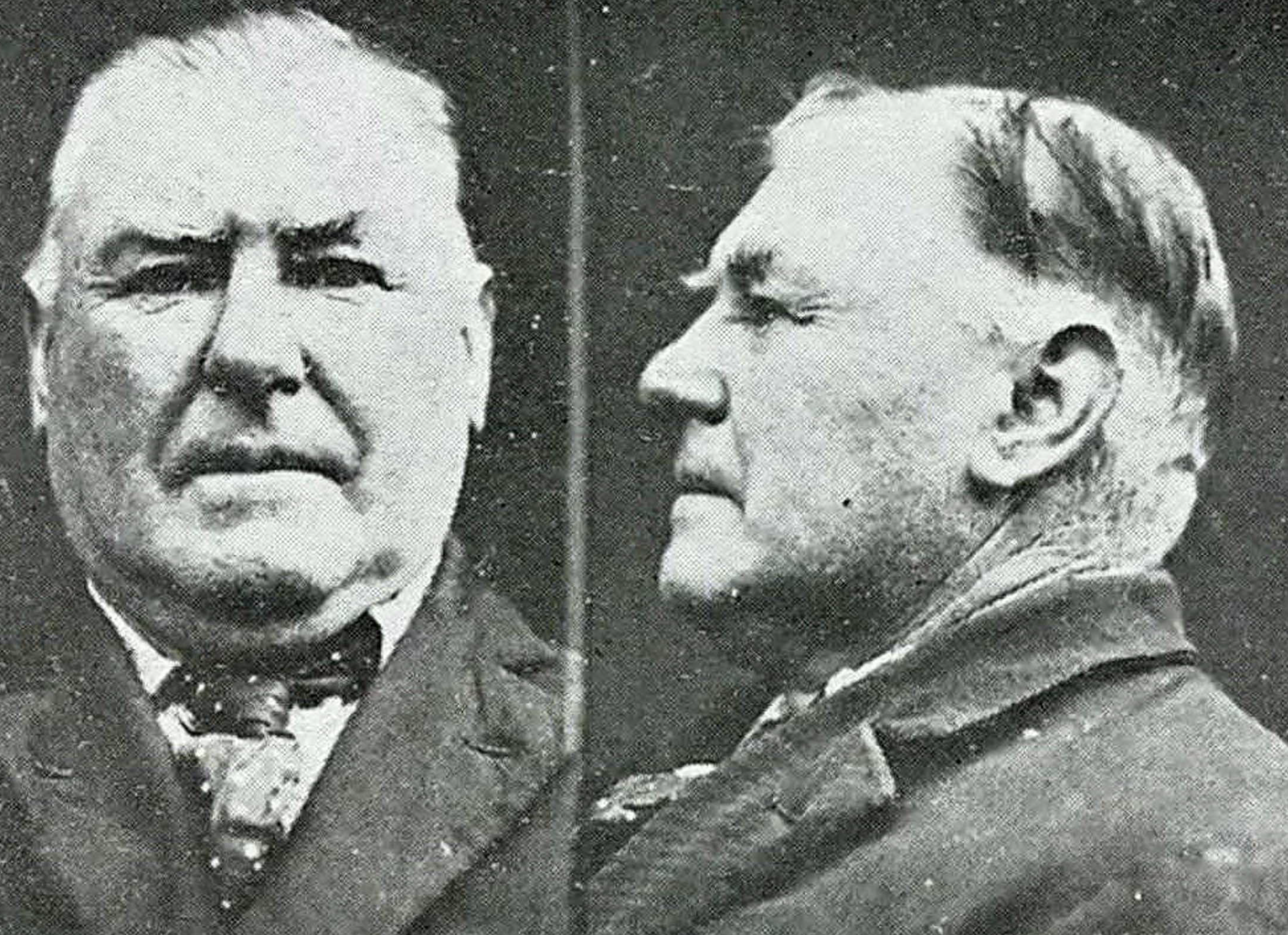
Micheal took to the family tradition of running pubs and went on to manage a number of Hotels in the Auckland area. The only photo of Michael which can be found is a Police mug shot from 1926 when he was in his mid 50s. Micheal was trying to improve his profit margins and was found in possession of certain alcohol which had mysteriously disappeared from a warehouse. He received a hefty fine and 3 months in jail.

Michael Keady 1936. Source: New Zealand Police Gazette

Patrick Keady – future life

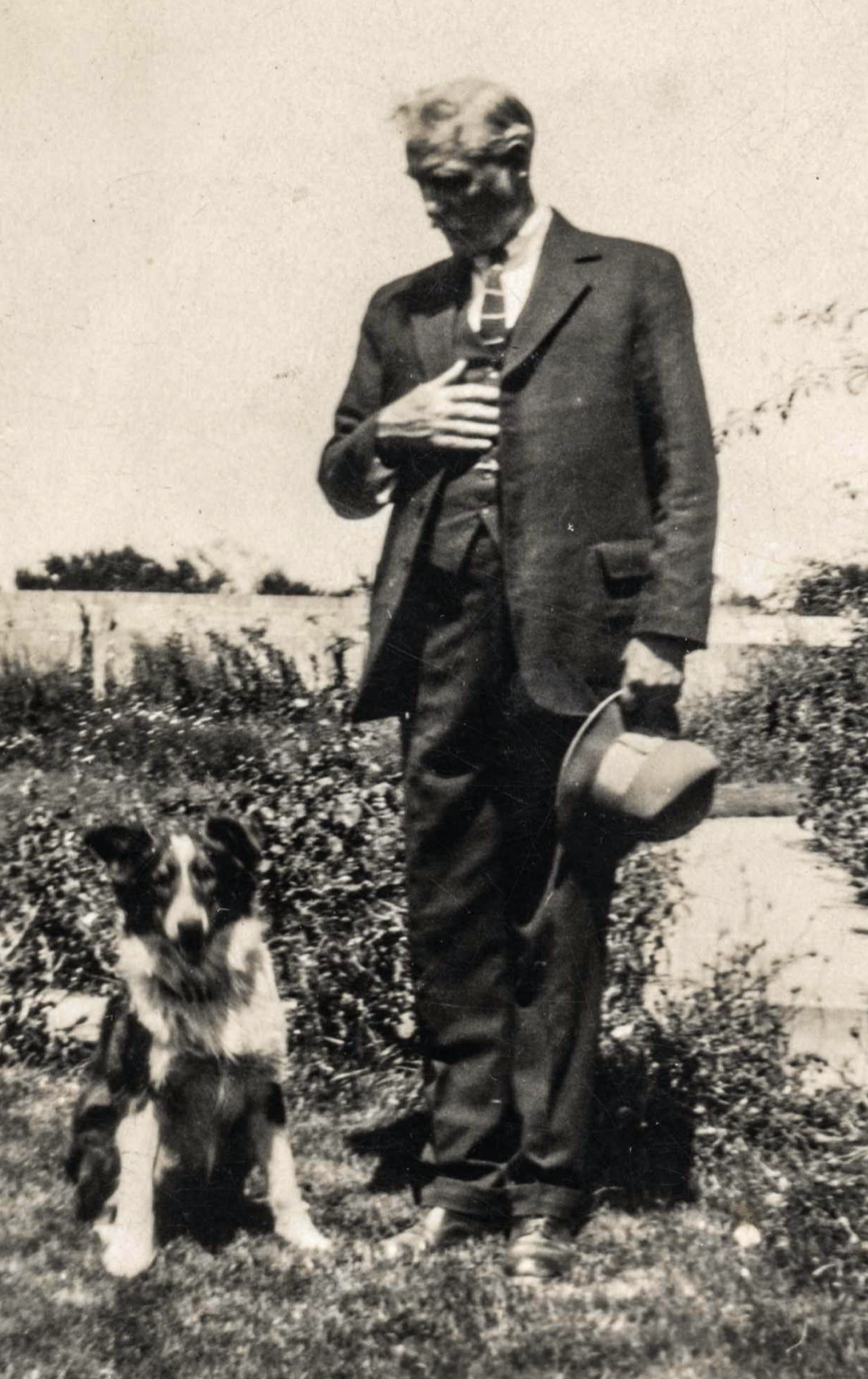
Patrick seems to have taken up sheep farming. Perhaps this was also a tough profession in New Zealand at the time because he enlisted in the army again, this time for New Zealand. Patrick enlisted in the Otago Mounted Rifles in August 1914 and after a long journey was stationed to Gallipoli where he suffered gunshot wounds to his left arm and left side on 6 August 1915. After medical treatment in Malta and England he was eventually repatriated to New Zealand in March 1916.

The rest of his life was spent around Orepuki and Tuatapere just west of Invercargill in the extreme south of New Zealand. The only photo of Patrick with the border collie below, suggests he lived his life out on the land.

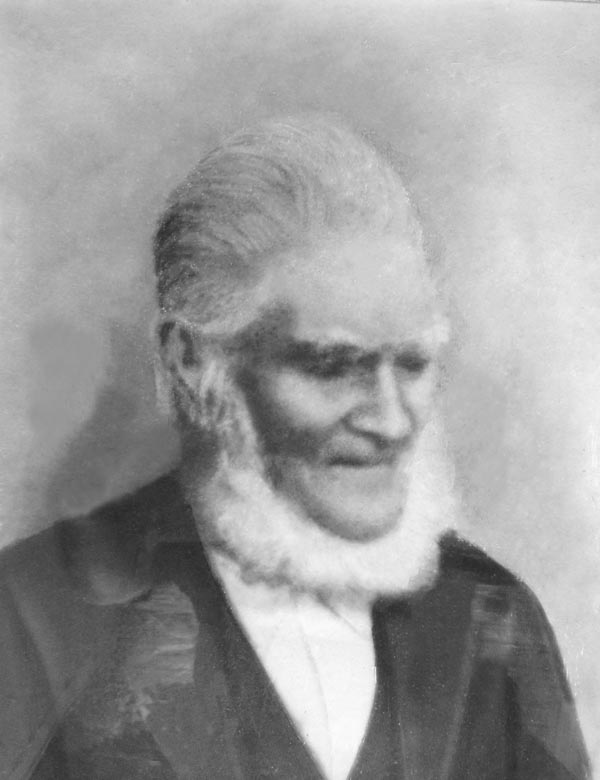
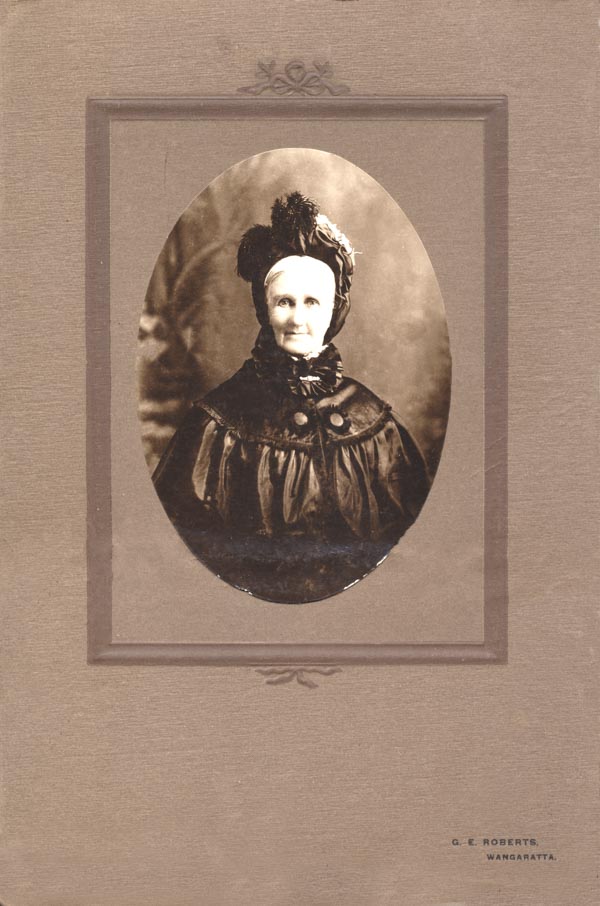
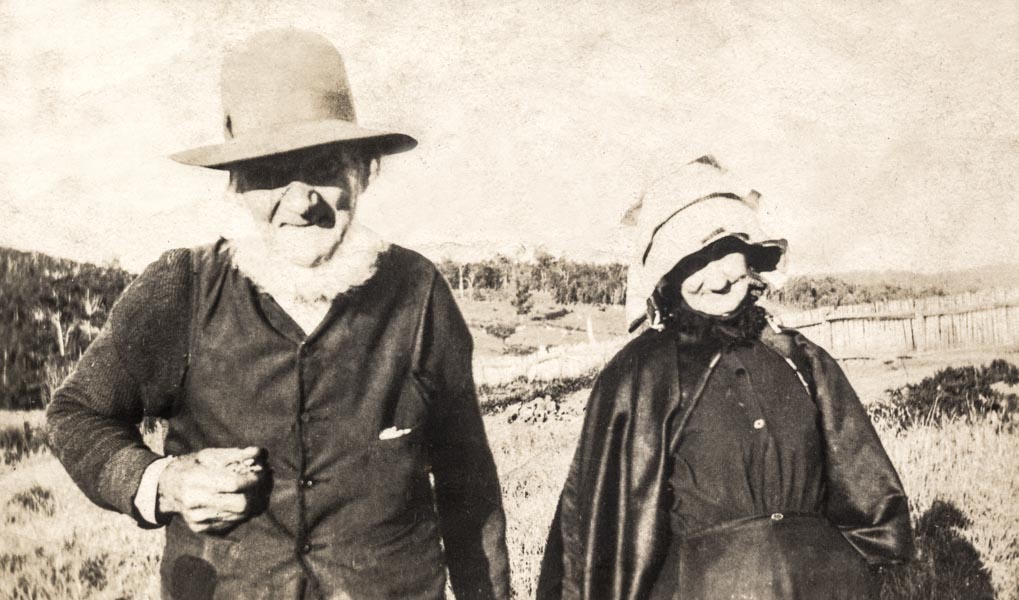
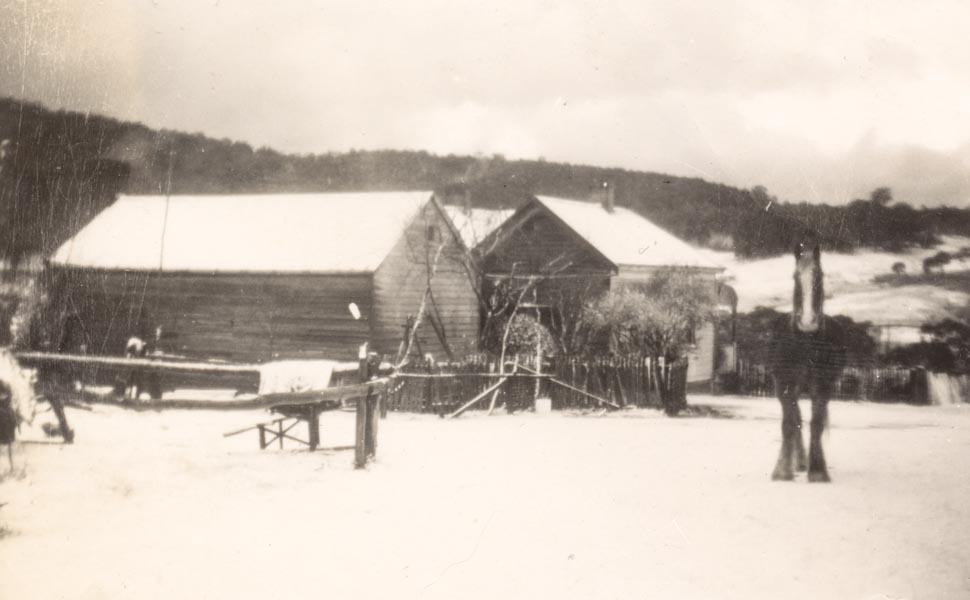
Precious Photos – Patrick and Mary Keady – Koetong

While family photos of the first generation Keady family are pretty scarce or at least cannot be found yet, there are a few which have been passed down through the generations. The following photos of Patrick Keady, his wife Mary Ann Quinlan and the Keady farm at Koetong have been provided by one of Patrick’s descendants.

The first two photos are large portraits of Patrick and Mary which hung on the wall of the farmhouse at Koetong. (The farmhouse with some additions is still standing at Koetong, although no longer in the family.)

The following photos were taken on the family farm. The first was possibly taken in the early 1920s and shows Patrick and Mary in the fields around the farmhouse. (This is an educated guess based on the appearance of Patrick and Mary.)

The second photo of the Keady farmhouse, with snow on the ground is thought to have been taken in the 1950s.

If you have any early photos tucked away, or have any thoughts on leads to follow up, don’t hesitate to get in touch.